


Brain Building Pesto With Asparagus
Asparagus, parsley, and basil are rich in the anti-inflammatory antioxidant quercetin and folic acid, which nourishes the growing baby’s brain and spinal cord. Serving it over zucchini noodles increases enzymes in food to balance blood sugars. The Romano and anchovies are rich in calcium and minerals. The combination of the crunchy vegetables, tangy tomatoes, and salty Romano will have your taste buds coming back for more!
Asparagus, parsley, and basil are rich in the anti-inflammatory antioxidant quercetin and folic acid, which nourishes the growing baby’s brain and spinal cord. Serving it over zucchini noodles increases enzymes in food to balance blood sugars. The Romano and anchovies are rich in calcium and minerals.

Ingredients
For the pesto:
1 cup of parsley
2 cups of basil
1/4 cup sundried tomatoes
4 cloves of garlic
1/2 cup extra virgin olive oil
1/4 cup pine nuts or shelled pistachios
For a dairy free version or for added calcium and vitamins add 3 anchovies
For the sauté:
2 carrots sliced
1 red bell pepper cut into slices
1 bunch of green onions cut into 1” pieces
1 bunch of asparagus chopped into 1” pieces
For the noodles:
3 small zucchinis shaved into thin strips with a potato peeler
juice of 1/2 lemon
salt and pepper
Romano cheese to taste.
Toss the zucchini, lemon juice, salt, and pepper in a bowl and place in fridge for 20 minutes.
Blend the parsley, basil, sundried tomatoes, garlic, olive oil, pine nuts, and optional anchovies together in a food processor.
Sauté all vegetables, except zucchini, lightly. Add in the pesto from the food processor. Serve over zucchini or pasta and season with Romano cheese to taste.


What is Baby Led Weaning?
Baby led weaning is a philosophy of introducing solid foods in a way that allows your baby to control their experience. It is very sensory. They get to fully engage in the variety of colors, flavors, and textures of food verses the “baby food” pureed method. With baby led weaning babies are eating the same foods that the rest of the family is eating. It’s affordable and easy to do. No special foods need to be prepared.
In the 1900s experts recommended introducing grain cereals to babies before other solid foods. Research has since shown the first foods babies need are iron and protein rich foods. Breastmilk is high in sugars and at nine months, the protein content of breastmilk dips slightly. Due to breastmilk’s high amount of carbohydrates, the last foods breastfed babies need added to their diet are grains and sugary foods.
Remember that introducing solid foods to your baby is just as much about their learning as it is about nutrition, so have fun with it!

What are some foods to share?
Bright colored foods are fun and packed with phytonutrients!
How do I know if my baby is ready?
Age. Is my baby over 6 months old? 6 months of age doesn’t guarantee babies are ready for solids. Some may not be ready until up to 12 months old.
Trunk support. Can my baby sit upright on their own?
Hands to mouth. Is my baby able to bring toys to their mouth on their own?
Pincer grasp. Is my baby able to grasp with their fingers? Would they be able to pinch and pick up foods?
Interest in food. Are they showing interest in family meals? Have they tried to grab food when people are eating?
What meals can my family eat with our baby?
Here are some examples:
Stew. Take chunks of meat and vegetables and put them on the highchair tray.
Rice and beans. Give your baby a small bowl so they can pick up beans with their fingers. Add some chunks of avocado.
Scrambled eggs and toast. Your baby can try egg curds and piece of toast
Grilled chicken breast and vegetables. Try chicken breast strips and spears of vegetables.
Roast broccoli with tofu. Give whole pieces of broccoli to hold and munch on and slices of tofu.
Check out our breastfeeding Youtube playlist below for more information and be sure to subscribe to our channel for new content!

Post Zombie Apocalypse Pregnancy: Here's What you Need to Know
Having a healthy pregnancy post-zombie apocalypse can be a challenge. We’ve summarized a list of tips from some experts…

So you find yourself pregnant in a post-zombie apocalypse world.. What can you do to keep you and your baby healthy?
Having a healthy pregnancy post-zombie apocalypse can be a challenge. We’ve summarized a list of tips from some experts.
“Any water is better than no water. Any filter is better than no filter. A filter that takes out heavy metals and bigger toxins is better than one that only takes out heavy metals. A filter that takes out all of that and hormones is better than one that does not.” We recommend the Berkey filter https://www.berkeyfilters.com/ -April Kline, midwife, author of Small Changes, Profound Results
“Get yourself in community. Anytime you experience multiple major life events in one year (moving, losing a job, starting a new romance, losing a relative, having a baby), it puts you at greater risk for depression and anxiety. Since everyone has been affected by this, be gentle with yourself and realize you are under a tremendous amount of stress. But if there’s anything good that’s come from this, I can say Americans finally get how important it is to have a tribe and receive support. Before the apocalypse, many Americans really struggled to find the support they needed and I’m thankful to say that’s not the case anymore.” -Meghan Nowland, midwife
“Emphasize protein foods, especially fresh fish and wild game. Eat the organs such as heart and liver, these will provide you with essential nutrients, iron and b vitamins, that may be lacking in your diet. Try to avoid a diet based on canned foods.” -Association of Nutrition Experts Post-Apocalypse (ANEPA)
“Forage for dark leafy greens. Thankfully, dandelion greens, nettles are plentiful in our post-apocalyptic world, are high in iron, and support your liver. Red raspberry leaves, mint, and strawberry leaves can be harvested and brewed into a nourishing prenatal tea. Oregano and garlic are go-to antiviral, antifungal, antiparasitic herbs.” -Herbalists After Apocalypse Heal (HAAH)
“Really listen to your body. Remember, you know what’s best for you and your baby. Having a baby post-apocalypse may not be ideal, but remember, your body was made to do this! People have been having babies outside of the hospital for thousands of years. Harness strength from your ancestors” - A local Priestess and healer
“Find time for yourself. You likely spend most of your time doing things to survive, such as hunting, cleaning your gear, and keeping your feet dry. Take a minute or two each day to meditate and ground yourself. Find a tree to hug. Focus on your breathing. Tune into your pregnancy and talk to your baby. This will really help you carry your baby to term” -Guide and former yoga instructor
“The baby is born, the placenta is born, the milk comes in, and the sun rises in the east.” -Linda Smith, breastfeeding expert. In other words, you’ve got this!

Younger people imagine what this building would have looked like before. Maybe it was an important area of commerce? Perhaps a marketplace or center of community?

One Midwife's Quick and Dirty Guide to Women's Health Websites
Becoming a midwife was a journey that began in middle school as I pursued interests in herbalism and nutrition. Along the way, I discovered websites that influenced how I care for my body, shifted my thinking, or gave me a better understanding of how my hormones work.
As a lifelong learner, midwife, and woman, there are many resources I use and share with the people I love and work with. Becoming a midwife was a journey that began in middle school as I pursued interests in herbalism and nutrition. Along the way, I discovered websites that influenced how I care for my body, shifted my thinking, or gave me a better understanding of how my hormones work. I want to share these with you. I’ve listed them in the order that I found them because it seems one thing leads to another.
The Museum of Menstruation: http://mum.org/
This website altered the way I thought about my period when I discovered it as a teenager. Learning about the culture of menstruation throughout time was really empowering to me. I think it’s important to remember that the way our current culture views menstruation, and the way we menstruate, may be vastly different from the way it has been in other times and societies.
Pelvic Guru: https://pelvicguru.com/2013/01/12/the-ultimate-pelvic-anatomy-resource-articles-links-and-videos-oh-my/
This website is really important for a thorough understanding of pelvic anatomy. Check out: https://pelvicguru.com/2015/01/10/your-vagina-is-not-cussing-good-simple-vulvovaginal-hygiene-tips/
It is a great resource for pelvic pain and pelvic physical therapy.
Katy Bowman’s Blog, https://www.nutritiousmovement.com/blog/
The reason this resource is so important is because it challenges the way we think about movement and alignment, Kegels and incontinence, using a toilet or squatting in yoga. She also explains the impact poorly designed shoes have on pelvic (and overall) health and has compiled a recommended list of healthy shoes.
Put a Cup in It: https://putacupinit.com/
Because menstrual cups are the best, and you deserve one that’s comfortable and fits you well!
Author of “Womancode”, Alisa Vitti’s website: https://www.floliving.com/blog/
Without a doubt, her book changed my life! I had been learning about menstrual cycles, fertility, and nutrition for the past 10 years but when I read her stuff, it all clicked! I highly recommend her book and blog, especially if you struggle with endometriosis, PCOS, painful cycles, or infertility. Her story of healing her PCOS is so inspiring!
Cooking for Hormone Balance: https://hormonesbalance.com/recipes/
I discovered this resource a few months ago. What I love about this last website is the recipes. It’s really hard to be diligent about eating healthy foods when you are struggling with hormone imbalance. Your body craves those rich comfort foods! Magdalena has an inspiring story and her recipes are influenced by her experiences living in Poland, China, Iceland. Her recipes are all gluten, dairy, and egg free, but full of hormone nourishing fats.
So what’s your favorite women’s health website?

Packing your birth bag? Don't forget these foods!
It’s important to fill your birth bag with food for yourself and your loved one. Not only will it be helpful during your labor, but also for the recovery after.
Protein will ground you. It will give you endurance and energy for the long haul. It will help stabilize your blood sugars and help you and your loved one feel less anxious.

It’s important to fill your birth bag with food for you and your loved one
Not only will it be helpful for your labor, but for your recovery after. What foods should you pack? Here are some suggestions:

Protein will ground you.
It will give you endurance and energy for the long haul. It will help stabilize your blood sugars and help you and your loved one feel less anxious.
Protein suggestions:
Cheese and salami, which are good sources of sodium and calcium, important electrolytes.
Yogurt or a smoothie
Nuts, trail-mix, a bar, or sweet nut clusters from Trader Joe’s or Costco. Nuts are good sources of trace minerals.
Eggs or any kind of protein you can stomach. I’ve seen a mom munch on chik-fil-a chicken, sitting on the toilet, in between contractions
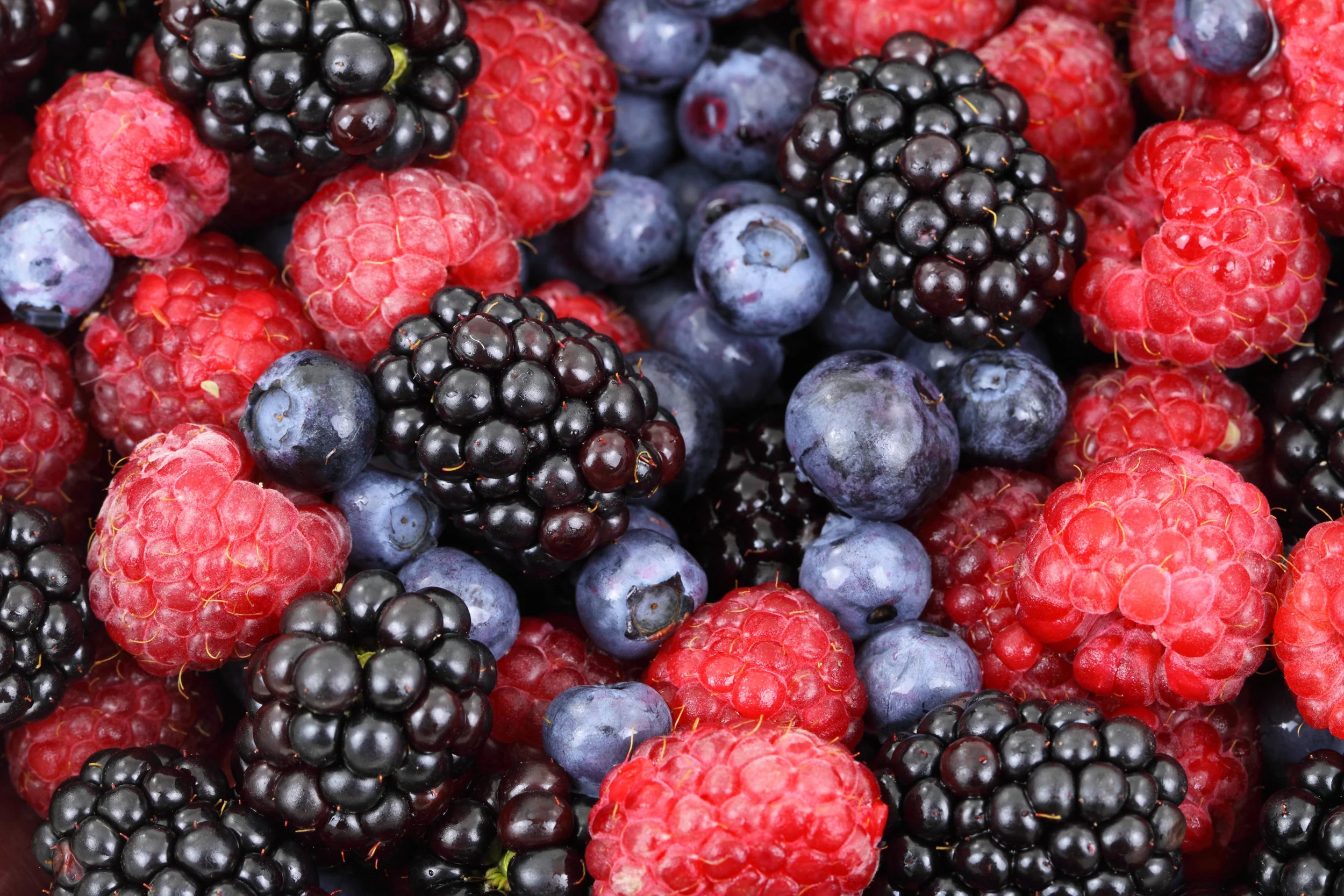
Fresh fruit for energy
Eating fresh fruit is a great way to boost energy quickly. It’s important the fruit is bite-size so a laboring mom can eat one or two pieces in between contractions. Fruit is a great source of vitamin C for immune system support and potassium for electrolyte balance.
Fresh fruit suggestions:
Grapes are easy to bring. Try freezing them for a delicious treat!
Berries such as blackberries, raspberries, and blueberries are full of antioxidants, which reduce inflammation. Plus, they already come bite-sized!
Bananas are portable and don’t require refrigeration.
Melons can be sliced up and prepared ahead of time for the big day.

Salt for electrolyte balance
Having a baby is hard work! Your body needs fuel to help your muscles work properly.
Your uterus, the strongest muscle in your body, will work best if you have been staying hydrated by drinking enough liquids and eating foods which provide electrolytes. Electrolytes are the minerals, calcium, magnesium, sodium, potassium, chloride, phosphate, and bicarbonate. They regulate muscle and nerve function. Electrolyte imbalance can occur from dehydration caused by excess vomiting or diarrhea, which sometimes occur with labor. If your electrolytes are imbalanced, you may experience a headache, fatigue, muscle cramps, or weakness. Pack a salty snack to include electrolytes sodium and chloride.
Salty suggestions:
Potato chips. These are my favorite. If I think a mom I’m supporting is really dehydrated, I will add more salt to the chips.
Crackers are easy to digest and readily available.
Popcorn is salty, buttery, and comes in small pieces.
What’s your favorite snack?
Not sure what to bring to the hospital? Schedule a free consultation! Call (513) 399-7263

Eat these 3 Foods to Balance Hormones Naturally
Tired of PMS symptoms? Wondering if you can afford fertility boosting foods? Curious about which foods to incorporate into your Diet? You’ve come to the right place!
Tired of PMS symptoms? Wondering if you can afford fertility boosting foods? Curious about which foods to incorporate into your Diet? Here are 3 suggestions

1. Root Veggies
Root vegetables balance hormones by balancing blood sugar through fiber. Carrots are especially helpful for preventing estrogen dominance. Sweet potato contains compounds that boost progesterone levels. Radishes, onions, garlic, turnips, parsnips, celeriac, and rutabaga balance hormones by providing food for the healthy bacteria in our gut.
Carrots and radishes are easy to eat raw with dips. Turnips, parsnips, and rutabaga are easy to incorporate into soups and stews. Root vegetables can be roasted with olive oil or lard and eaten with sausage, or boiled, mashed, and whipped with butter to make a delicious mashed potato replacement. For extra micronutrients, buy rainbow varieties of carrots, potatoes, and radishes (Trader Joe's is the best grocer I know for making rainbow vegetables available at an affordable price).


